A Shakti Mat is a brand of acupressure mat: a cotton-covered foam pad studded with plastic spikes that you lie on. The closest alternatives are other spike mats, which work the same way and differ mainly in spike count, padding and size. For one area at a time, look at acupressure pillows, foot mats, massage balls and rollers, or reflexology socks for the soles.
Shakti Mat is a widely searched brand of acupressure mat. It is one brand among many, and a mat is one tool among several for putting firm pressure on a tired back or tired feet at home.
This guide describes what a Shakti Mat is, then walks through the alternative types: other spike mats, acupressure pillows, foot mats, massage balls and rollers, and reflexology socks. We compare types, not brands, because no published study has tested one brand's mat against another.
What is a Shakti Mat?
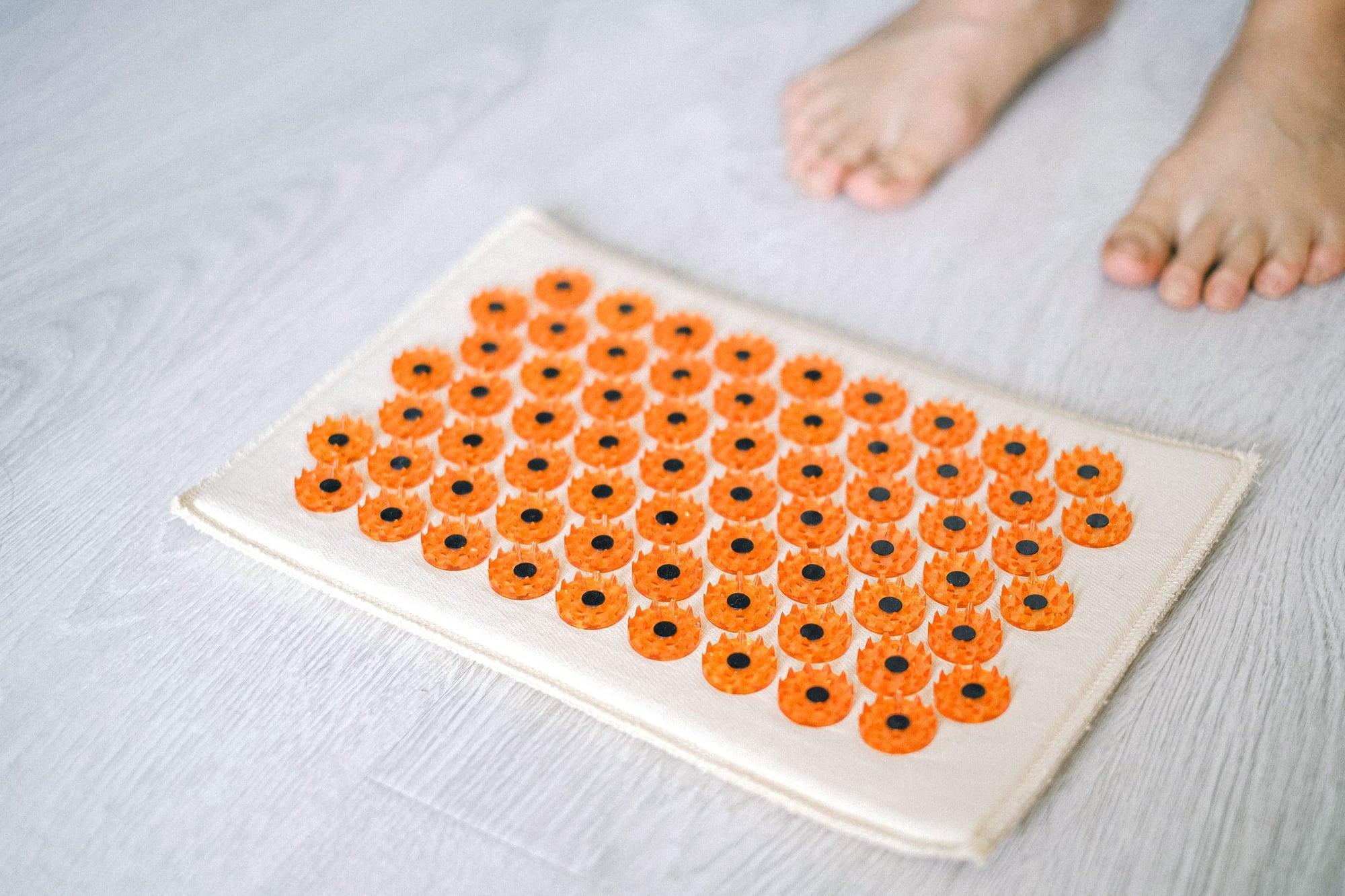
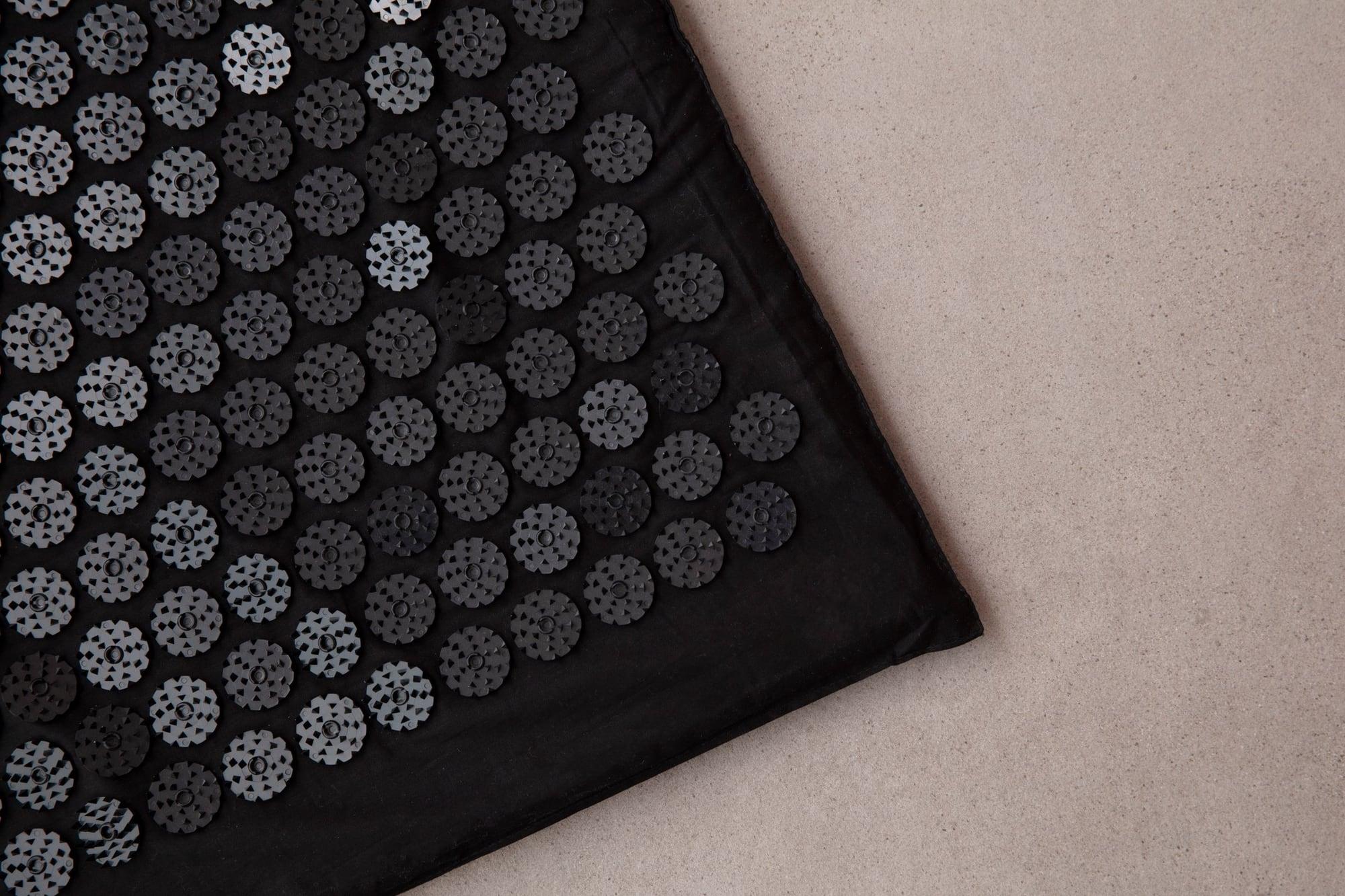
A Shakti Mat is a brand of acupressure mat: a cotton-covered foam pad studded with plastic spikes that you lie on. [1][3] The details below come from the company's own pages.
Materials. Organic cotton certified to the Global Organic Textile Standard, a foam pad, and spikes made of ABS plastic. [2][3]
Where it is made. In India. The company describes a workshop on the outskirts of Varanasi, formed in 2008, as the original home of the mat, and lists further production partners elsewhere in India. [2]
Intensity levels. The mats are sold in levels. The stronger levels have fewer spikes because, as the company puts it, fewer spikes mean more pressure on each point. [3]
How it is used. Lying down, with the neck, shoulders and back on the spikes. The company describes about 20 minutes as typical and mentions the backs of the legs and the feet as other areas. [1]
The wider range. Spiked pillows, a small foot pad and several handheld and wearable tools. [1]
The original version has 6,210 plastic points, a figure given in two research papers that used it. [4][5]
What the research on it says
We found two published studies that used this brand of mat.
In a 2011 lab study of 32 healthy adults, pain ratings peaked within 30 seconds of lying down and then faded. Self-rated relaxation rose over time, in sessions with the mat and in sessions without it. [4]
In a 2024 trial, 62 healthy students practiced relaxing three times a week for three weeks, half on a mat and half without one. Stress and sleep ratings improved slightly in both groups, with no significant difference between them. The company supplied the mats and, the paper states, received no compensation. [5]
Neither result is specific to one brand. Both describe what lying on a spike mat does, and they apply to the alternatives below as much as to the original. For the full picture, including the small trials in people with neck and back pain, see do acupressure mats work.
Why people look for an alternative
The usual reasons have little to do with quality.
The spikes feel too sharp, or not sharp enough.
Lying flat for 20 minutes does not fit the day.
The interest is in one area, such as the neck or the feet, not the whole back.
Budget.
Travel. A foam mat is bulky.
Each of those points to a different type of tool.
Other spike mats
Many brands make mats on the same principle, and the research does not single out any of them. The studies themselves have used quite different designs: a mat with 6,210 points, a pad of 22 by 33 cm with 1,140 spikes, and a mat padded with vegetable fiber that carries 33 plastic florets with pyramid-shaped tips. [4][6][7]
If you are comparing mats, these are the differences you can check:
Spike count and spacing. More spikes, set closer together, spread your weight and feel milder. Fewer spikes feel sharper.
Padding. A thicker, softer pad lets the mat follow the shape of your back. A thin or unpadded mat takes its feel from whatever is under it.
Cover. The fabric, and whether it comes off for washing.
Size. A longer mat covers more of your back at once. A shorter one is easier to store and carry.
Returns. How a mat feels is personal. A trial period tells you more than a spec sheet.
No published study has compared brands head to head, so treat any ranking as opinion.
Acupressure pillows
A pillow is a small spiked cushion or bolster, usually shaped to sit under the neck. It puts the same sensation on a curve of the body that a flat mat does not reach well.
The German trials of a spike pad used a simpler version of the same idea. People working on the neck were told to place a towel or bedroll under it. [6]
Makers suggest pillows for the neck and shoulders, behind the lower back and under the arches of the feet. [1] The limit is coverage. A pillow is an add-on to a mat more than a replacement for one.
Foot mats and foot pads
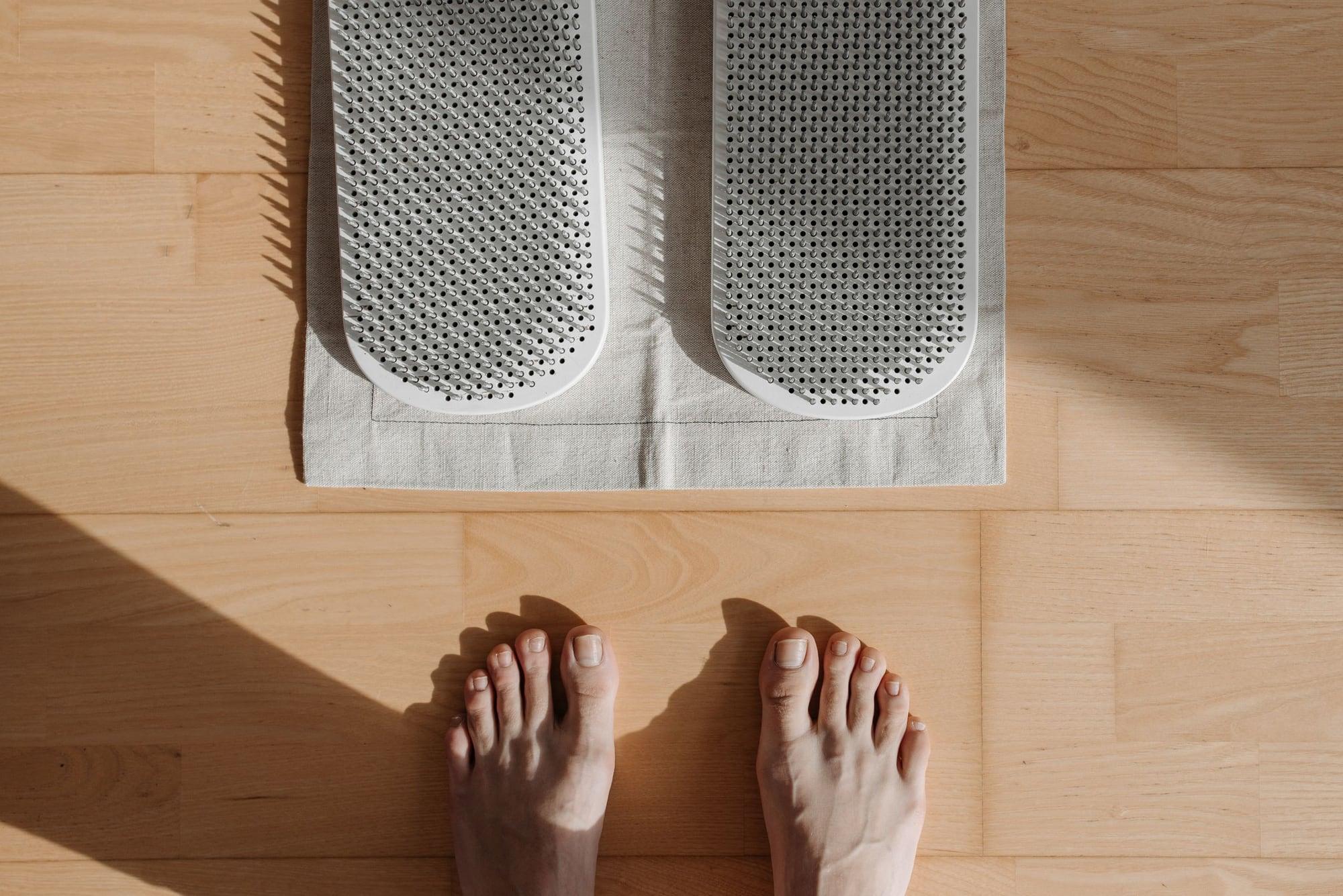
A foot pad is a mat cut down to the size of two feet. You sit with your feet resting on it, or stand on it for a stronger effect. Standing puts your whole body weight on the spikes, so it is the most intense option in this guide.
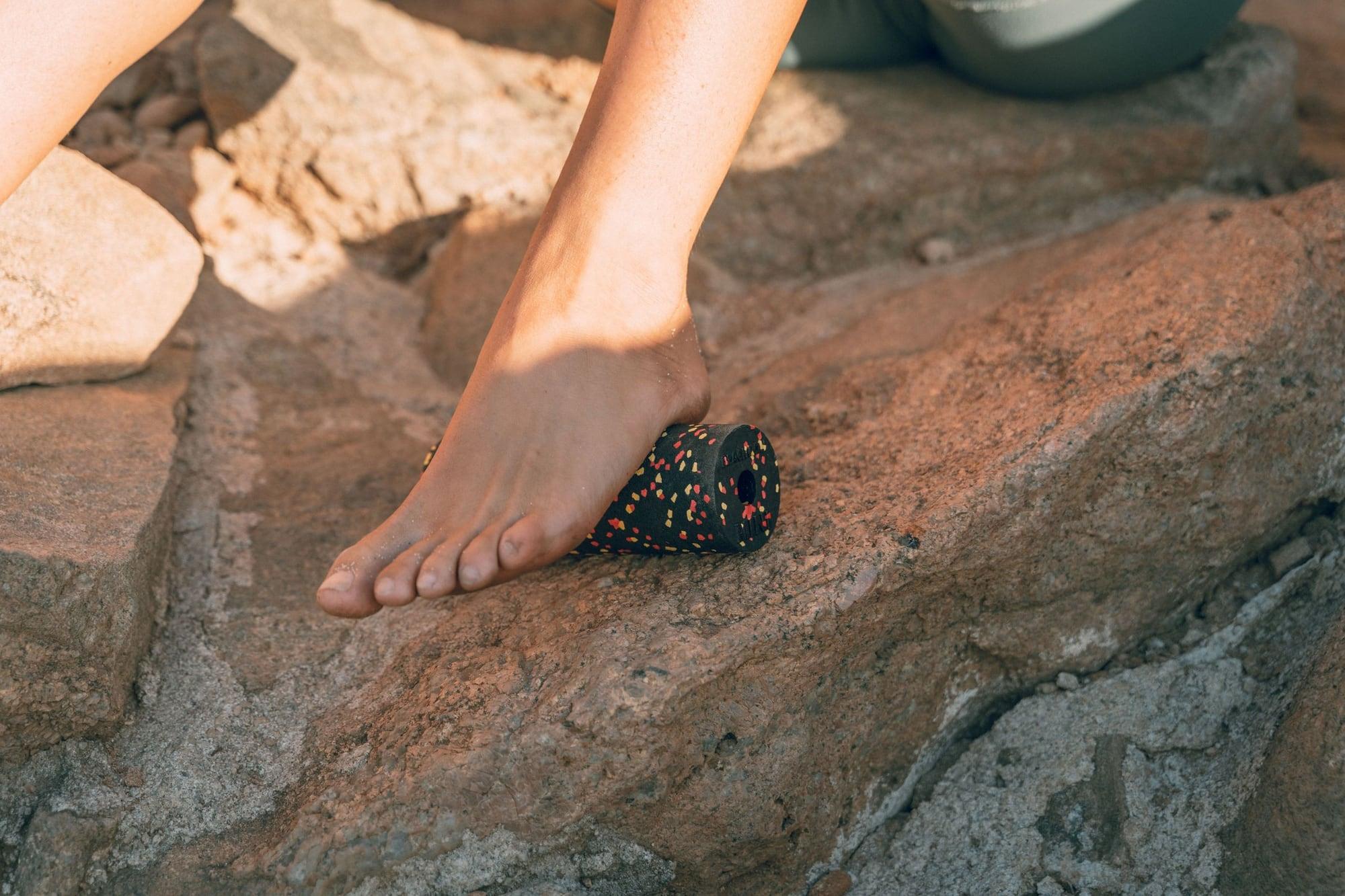
These swap spikes for a smooth or lightly textured surface that you roll yourself over: a ball under the foot or against a wall, a foam roller under the legs or back. You control exactly where the pressure goes and how deep it is. In exchange, you do the work.
The research on them is about exercise, not acupressure. A 2015 systematic review of 14 studies concluded that foam rollers and roller massagers may bring short-term gains in joint range of motion and may lessen muscle soreness after hard exercise. It described the evidence as still emerging. [8]
Reach for one when you want to work a single tight spot, or when prickly is not a feeling you enjoy.
Reflexology socks
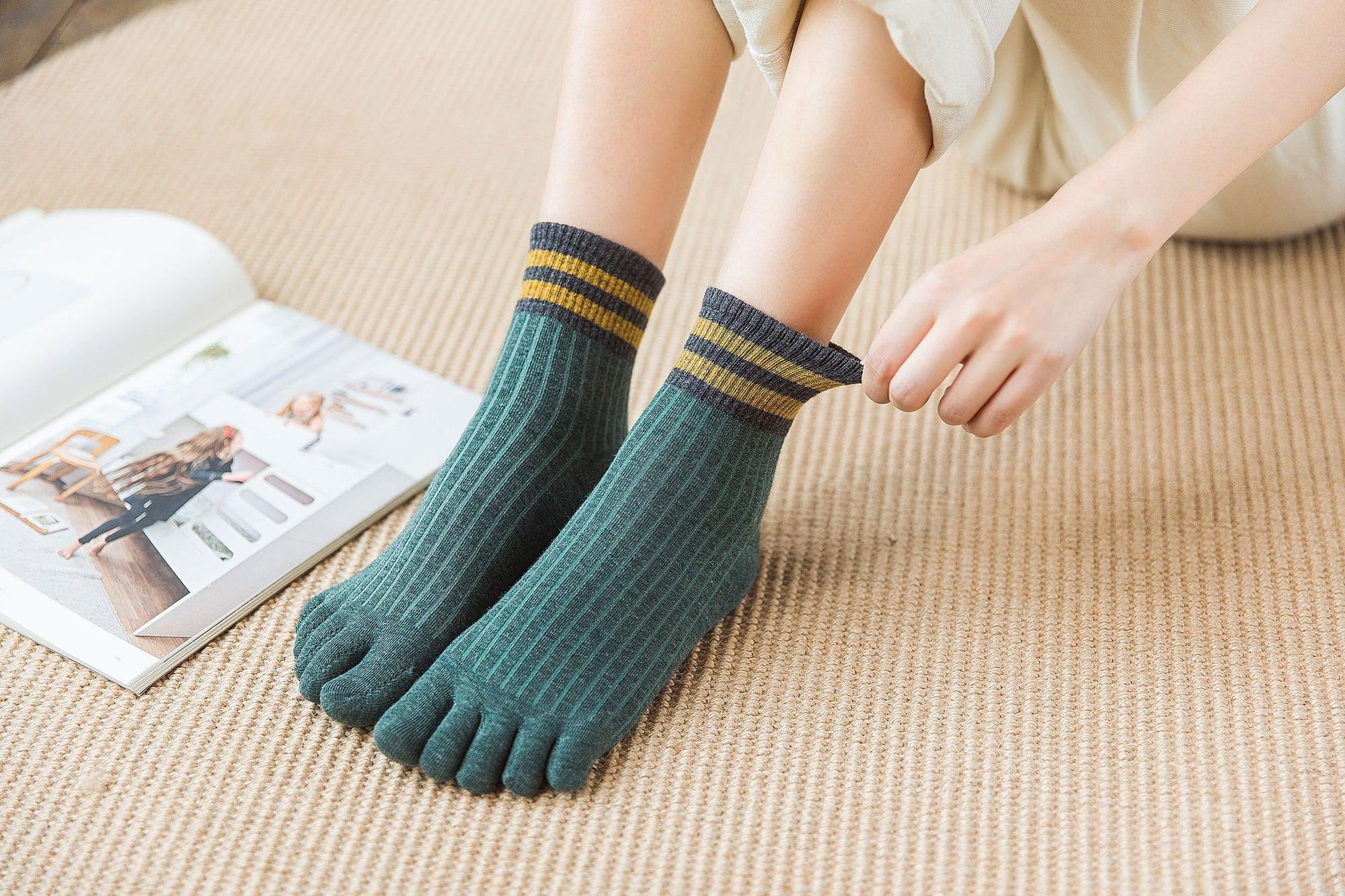
For the soles specifically, there is a tool that needs no floor space at all. Reflexology socks come in two kinds: printed chart socks, which only show you where to press, and nub socks, which do the pressing when you push your foot against something. Our reflexology socks guide covers both.
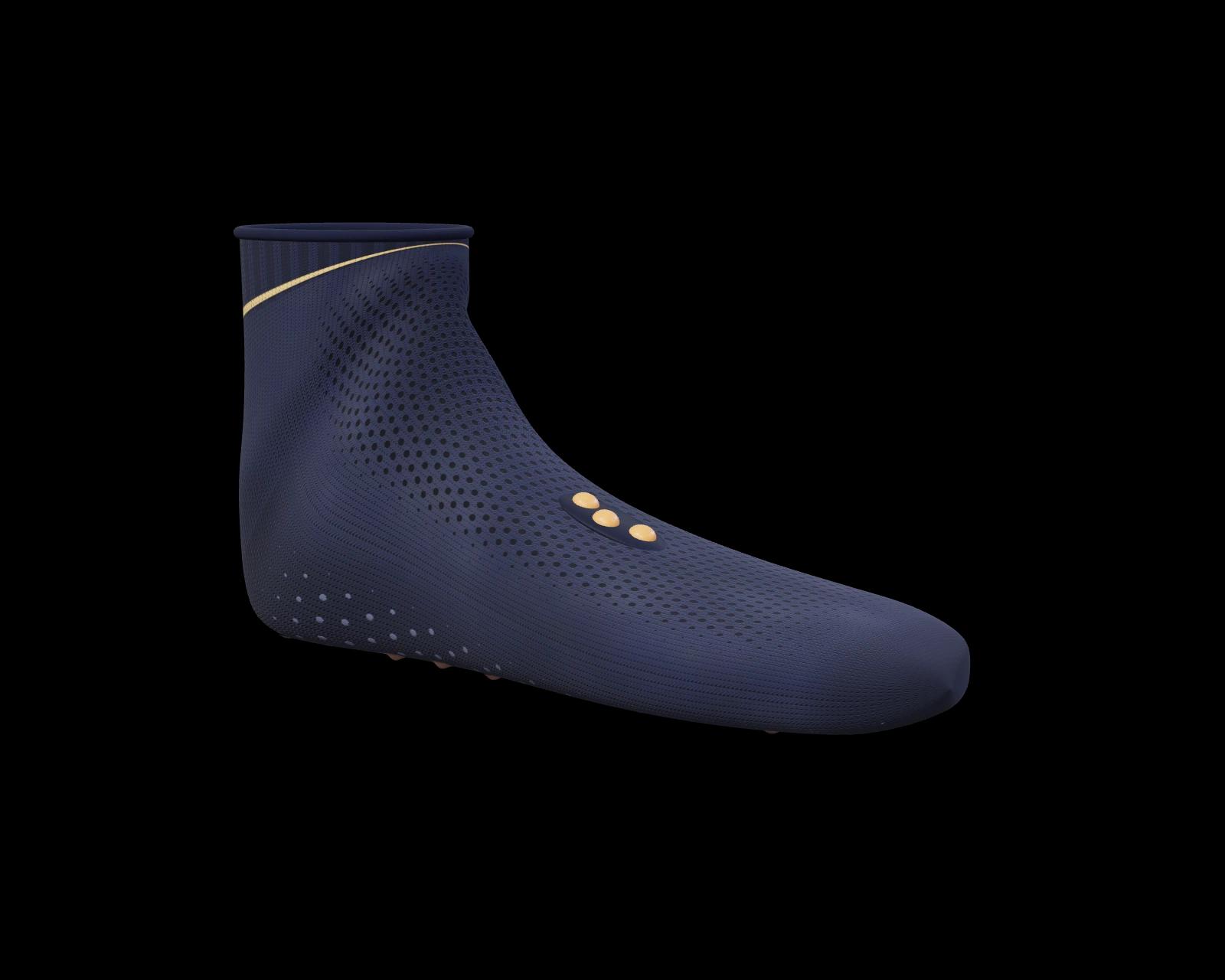
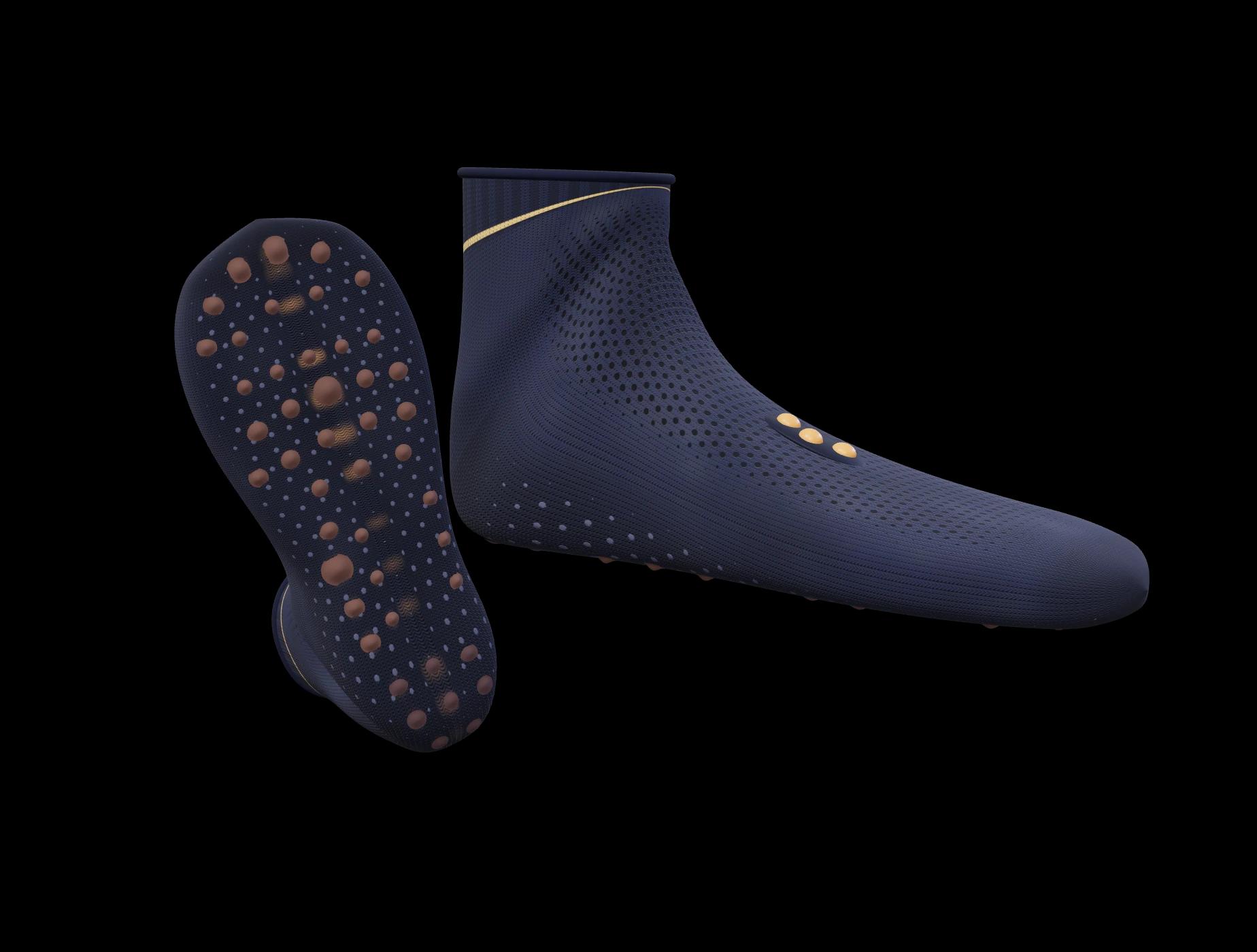
We make a nub sock, so weigh this part accordingly. Somnisole is a thin, breathable knit of Tencel lyocell, nylon and spandex with 45 firm silicone nubs bonded inside the sole. They cover the toes, the toe groove, the ball, the inner arch, the outer edge and the heel, in three firmness levels, with softer low domes at the heel. You use it lying down: soles pressed into a wall or footboard, sole to sole, or one sole over the other foot's instep. Our how it works page shows each position.
Somnisole's nub map covers six areas of the sole. A flat mat mostly meets the heel, the ball and the outer edge.
Among the alternatives here it is the mildest, and the only one designed for use in bed. It does nothing for your back or neck, and a mat will always feel stronger.
Two more caveats. Somnisole is a pre-order that has not shipped, so there are no customer reviews or test results. And while the nubs are mapped to every reflexology zone, each of which is traditionally associated with another part of the body, the US National Center for Complementary and Integrative Health (NCCIH) says the claim that pressing these points brings relaxation and healing to those body parts has not been proven. [9] It is made for achy, tired, restless-feeling feet at bedtime, and that is all we claim for it.
Not for feet with numbness, open wounds, diabetes-related foot problems or poor circulation without a doctor's OK.
Shakti Mat alternatives compared
Type
Where it reaches
Sensation
What you do
Spike mat
Back, neck, shoulders and legs. Feet if you sit or stand on it
Sharp and prickly, fading after the first minutes
Lie still
Acupressure pillow
Neck, lower back, arches
The same spikes on a smaller, curved area
Lie or lean on it
Foot mat or pad
Soles
Sharp. Strongest when standing
Sit or stand
Ball or roller
One spot at a time
Smooth and deep
Roll yourself over it
Nub sock
Soles, toes and arches
Firm bumps, milder than spikes
Lie down and push your feet against a wall, a footboard or each other
How to choose
You like the idea of a spike mat but want a different price or intensity. Look at other spike mats. Compare spike count, padding, size and the return policy.
Your neck is the target. A pillow.
Your feet are the target and you want it strong. A foot pad, seated first.
You do not enjoy prickly sensations. A ball or roller.
You want something for your feet in bed. A nub sock.
Spikes and firm pressure are not for everyone. Researchers studying spike pads left out people with skin disease where the pad would touch, bleeding tendencies or blood thinners, and insulin-dependent diabetes. [6] Mat makers advise against use in pregnancy, with blood thinners and with cardiovascular disease, as reported in the 2024 trial. [5] If any of those apply to you, ask your doctor first.
The NCCIH says the risk of harm from massage appears to be low, and adds a line that fits every tool on this page: do not use it to postpone seeing a health care provider about a medical problem. [10]
Common questions
What is a Shakti Mat?
It is a brand of acupressure mat. The company describes a foam pad in an organic cotton cover, studded with spikes made of ABS plastic, and says its mats are made in India. You lie on it so the spikes press into your back, neck and shoulders without piercing the skin.
Is a Shakti Mat the same as an acupressure mat?
A Shakti Mat is one brand of acupressure mat. The category is also sold under the names spike mat, nail mat and bed of nails. Brands differ in spike count, padding, cover fabric and size, but they all work on the same principle.
Do Shakti Mats work?
Two published studies used this brand. In healthy adults, the first sting faded within minutes and people reported feeling relaxed, but in a 2024 trial three weeks on the mat did no better for stress or sleep ratings than three weeks of lying down without one. That finding is about spike mats in general, not about one brand, and no mat has been shown to treat a medical condition.
What can I use instead of an acupressure mat?
It depends on the area. An acupressure pillow reaches the neck, a foot mat or pad covers the soles, and a massage ball or roller lets you work one spot with smooth pressure. For the feet in bed, a reflexology sock with nubs inside presses the soles when you push them against a wall, a footboard or each other.
Are cheaper acupressure mats as good as a Shakti Mat?
Nobody can say from evidence, because no published study has compared brands. What you can check yourself is the spike count and spacing, the padding, the cover fabric, the size and the return policy. How a mat feels is personal, so a trial period is worth more than a claim on the box.
What is a good Shakti Mat alternative for feet?
Three types cover the soles. A foot mat or pad gives the strongest sensation and is used sitting or standing, a ball or roller gives smooth pressure that you control, and a nub sock gives milder pressure that you can use lying down. People with numb feet, open wounds, diabetes-related foot problems or poor circulation should ask a doctor before using any of them.
Somnisole puts firm silicone nubs over every zone of the sole, inside a sock thin and breathable enough to sleep in. Made for achy, tired, restless-feeling feet at bedtime.
Somnisole is a wellness product, not a medical device. Not for feet with numbness, open wounds, diabetes-related foot problems or poor circulation without a doctor's OK.