The most useful gifts for nurses and other people who stand all day either go under the foot at work or help it recover at home: cushioned insoles, good socks, a gift card for properly fitted shoes, a foot roller, a warm soak kit or a massage voucher. Skip anything that needs an exact size you do not know, and anything that claims to treat a medical condition.
The default gift for a nurse is a mug with a joke on it. A better gift starts with the plain fact of the job: long hours upright, often with no say in when you get to sit.
This guide lists twelve gift ideas for nurses, teachers, servers, retail staff and anyone else who works standing. They are ideas by category, with what to look for in each. We do not name or rank brands, and we do not quote prices. One of the twelve is our own product, and it is labeled as ours.
How much standing are we talking about?
The US Bureau of Labor Statistics tracks how much of the workday each occupation spends standing. In its survey, standing means any time you are not sitting or lying down, so walking counts. [1]
Occupation (2025 data)
Share of the workday spent standing
Waiters and waitresses
98.6%
Retail salespersons
83.0%
Nursing assistants
79.2%
Licensed practical and vocational nurses
66.2%
Secondary school teachers
60.4%
All civilian workers
55.1%
Each figure comes from the bureau's 2025 profile for that occupation. [1][2][3][4][5][6]
The detail that matters most is choice. Only 2.2% of nursing assistants and 2.8% of licensed practical and vocational nurses can choose whether to sit or stand for their critical tasks, compared with 60% of secondary school teachers. [2][3][4]
A review by researchers at the US National Institute for Occupational Safety and Health (NIOSH) found that prolonged standing at work is associated with lower back and leg pain, fatigue and discomfort, among other outcomes. It names direct care nurses, hairdressers and store clerks among the workers who spend large parts of the day standing. [7] Canada's occupational health agency lists sore feet, swollen legs, general muscular fatigue and low back pain as possible effects of regular standing work. [8]
What the research says helps
The same review looked at what makes standing work easier to bear. Its findings make a useful filter for gifts:
Floor mats and shoe inserts mainly reduce discomfort and fatigue.
Most studies supported compression stockings for how workers said their legs felt.
Being able to move and change position appeared to be the best solution of all. [7]
No gift can change a schedule or add a chair to a ward. But several of the ideas below map onto that list, and the rest are about comfort once the shift is over. None of them is a medical treatment.
Gifts for the shift itself
1. A gift card for properly fitted work shoes
Shoes are the most useful thing on this list and the worst thing to guess. Many workplaces have rules about footwear, and fit is personal. A gift card to a store that measures feet solves both.
Pass on the fitting advice from the American Academy of Orthopaedic Surgeons with it: shop toward the end of the day, have your feet measured while standing, and leave about half an inch between the longest toe and the tip of the shoe. [9]
2. Cushioned insoles
A fresh pair of insoles is a small gift that gets used every working day. Canadian workplace guidance recommends a shock-absorbing cushioned insole for people who work on metal or cement floors. [8] In one study covered by the NIOSH review, workers rated shoe inserts about as well as the better cushioned floor mats, though the review reports no strong evidence that insoles prevent or treat back pain. [7]
Look for a trim-to-fit pair in their shoe size, and check that their work shoes have insoles that lift out, so the new pair has room. [9]
3. Cushioned, moisture-wicking socks
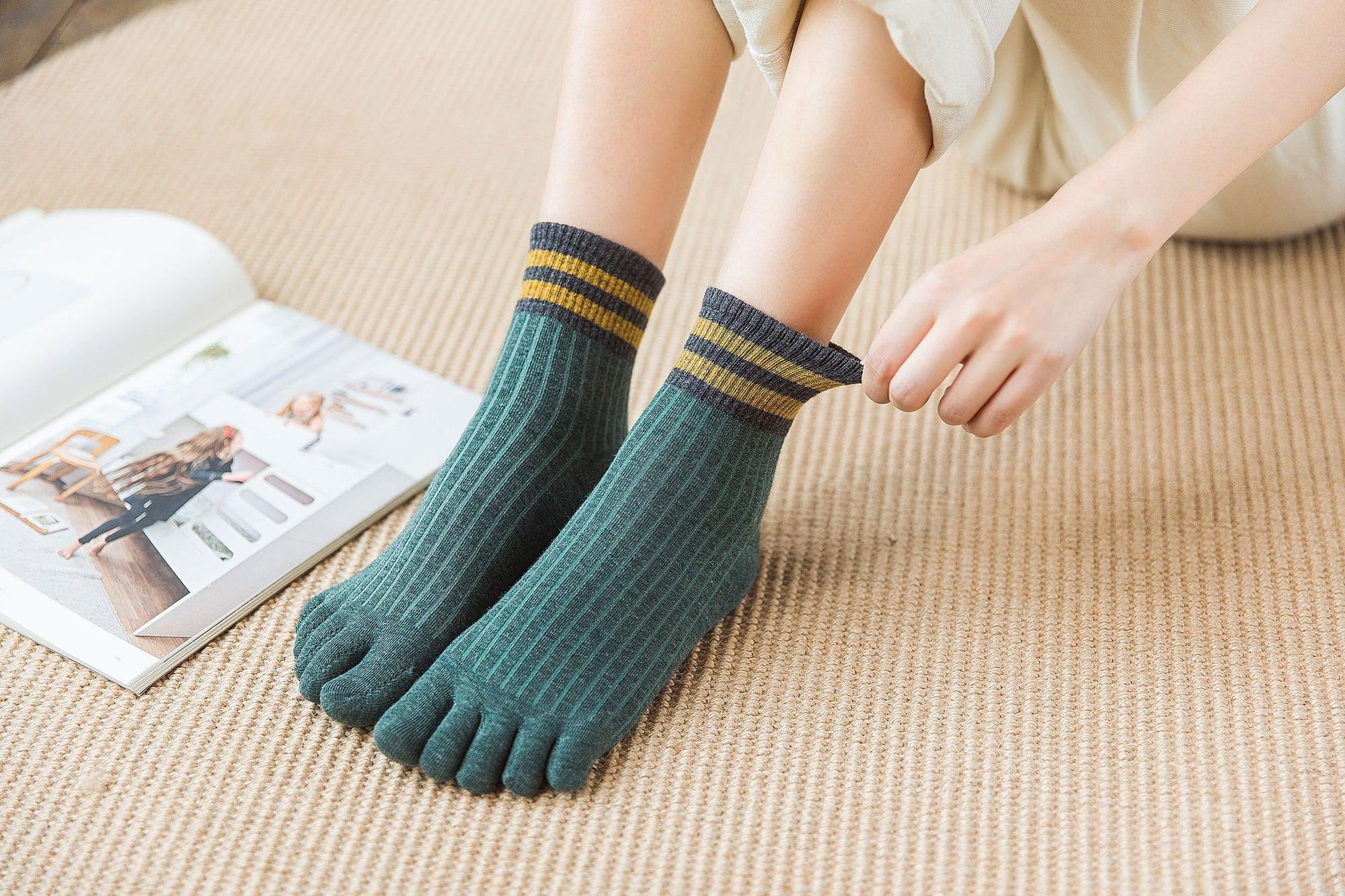
Good work socks are the thing people rarely buy for themselves in quantity. The American Academy of Dermatology recommends nylon or moisture-wicking socks to help prevent blisters on the feet. [10]
Look for padding under the heel and the ball of the foot, a flat toe seam and a cuff that stays up without digging in. Buy a pack. One nice pair in a week of shifts changes little.
4. Graduated compression socks
Cleveland Clinic notes that compression socks may help with muscle recovery if you are on your feet all day long for work, and in the NIOSH review most studies supported compression stockings for workers' own reports of leg complaints. [11][7]
This is the one gift on the list to ask about first. Compression comes in strengths, from mild (8 to 15 mmHg) through moderate (15 to 20) and firm (20 to 30), with the strongest grade usually sold by prescription, and it has to be the right size. Cleveland Clinic advises people with peripheral artery disease, severe swelling or much-reduced feeling in their legs to check with a provider first. [11] If they already wear compression socks, ask which strength and size, and buy more of the same.
5. An insulated water bottle
Breaks on a busy shift are short and hard to predict, so a bottle that keeps water cold and survives being knocked over earns its place. Look for a lid that opens with one hand and does not leak, a shape that fits a bag pocket or cup holder, and a mouth wide enough to clean properly.
Gifts for the first hour at home
6. A foot roller or massage ball
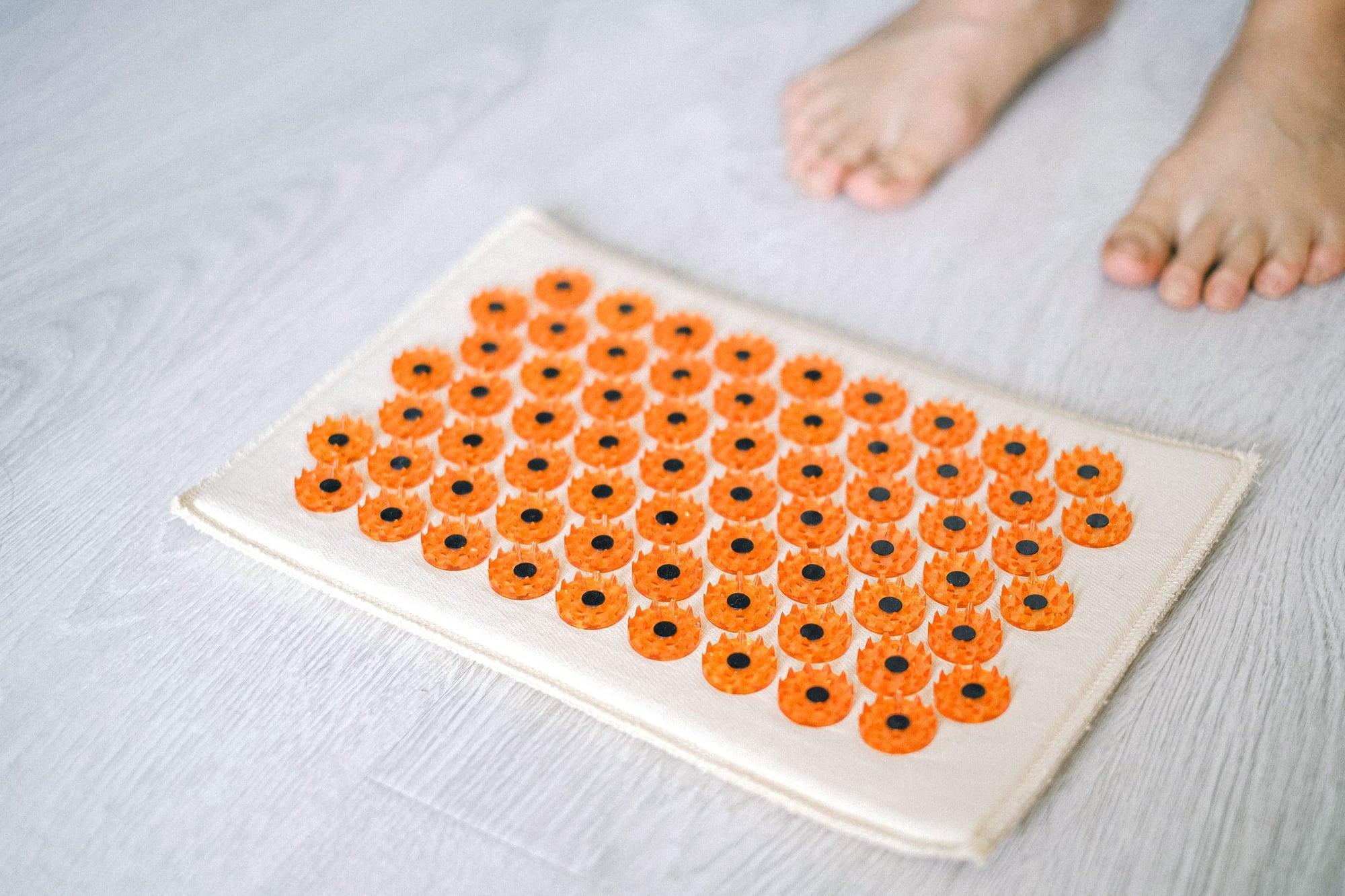
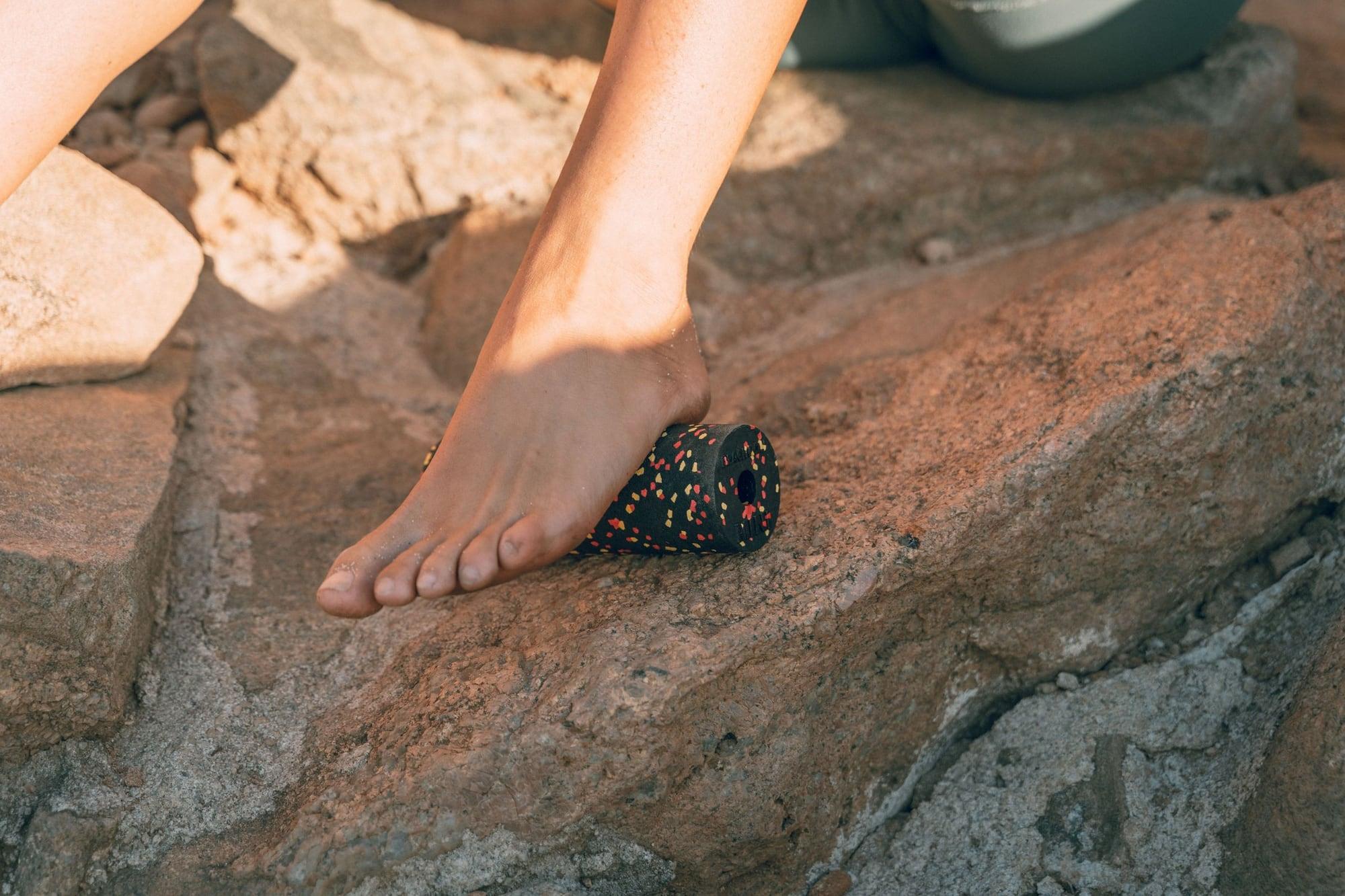
Rolling the sole of a tired foot over something firm is the simplest kind of self-massage, and what people reliably say about it is that it feels good. Look for rounded ridges that are firm but not sharp, and a shape that will not shoot out from under the foot. Our guide to massaging your own feet and our map of pressure points on the feet pair well with it.
7. A warm foot soak kit
A basin, some bath salts and a towel add up to ten quiet minutes of sitting down. Choose a basin deep enough to cover the ankles, and salts with a light scent or none.
One caution: this is not a gift for someone with diabetes. US government guidance for people with diabetes says not to soak your feet, and to wash them in warm, not hot, water. [12]
8. A rich foot cream and a pair of cotton socks
A thick foot cream at bedtime is a small luxury. Cleveland Clinic notes that putting socks on over lotion helps keep the moisture in overnight, which can help with dry feet or cracked heels. [13] Choose an unscented or lightly scented cream in a tube, and add soft cotton socks kept just for bed. Our guide to the best socks for sleeping covers what makes a good pair.
9. A footstool or leg-rest pillow
The NHS includes raising your legs on a chair or pillows in its self-care steps for swollen ankles and feet. [14] A footstool for the sofa or a wedge pillow for the bed makes that easy to do. Look for a washable cover and a height that suits their furniture.
10. A cushioned mat for the kitchen
Standing does not stop when the shift does. There is still dinner to cook and dishes to wash. In studies of standing workers, floor mats mainly reduced discomfort and fatigue, and in one study every floor surface tested was rated better than concrete. [7]
Softer is not always better. Canadian workplace guidance warns against thick foam-rubber mats, because too much cushioning can itself cause fatigue and add a tripping hazard. [8] Look for medium firmness, beveled edges, a non-slip base and a surface that wipes clean.
Gifts for a day off
11. A massage voucher
An hour where someone else does the work. The US National Center for Complementary and Integrative Health says the risk of harm from massage appears to be low, and suggests asking about a therapist's training, experience and credentials. [15] Choose a licensed therapist, let the recipient pick the type of massage, and check that the voucher has a long expiry date, because shift workers book around changing schedules.
Give it as a treat. It is not a treatment, and anyone with a health condition should check with their provider first.
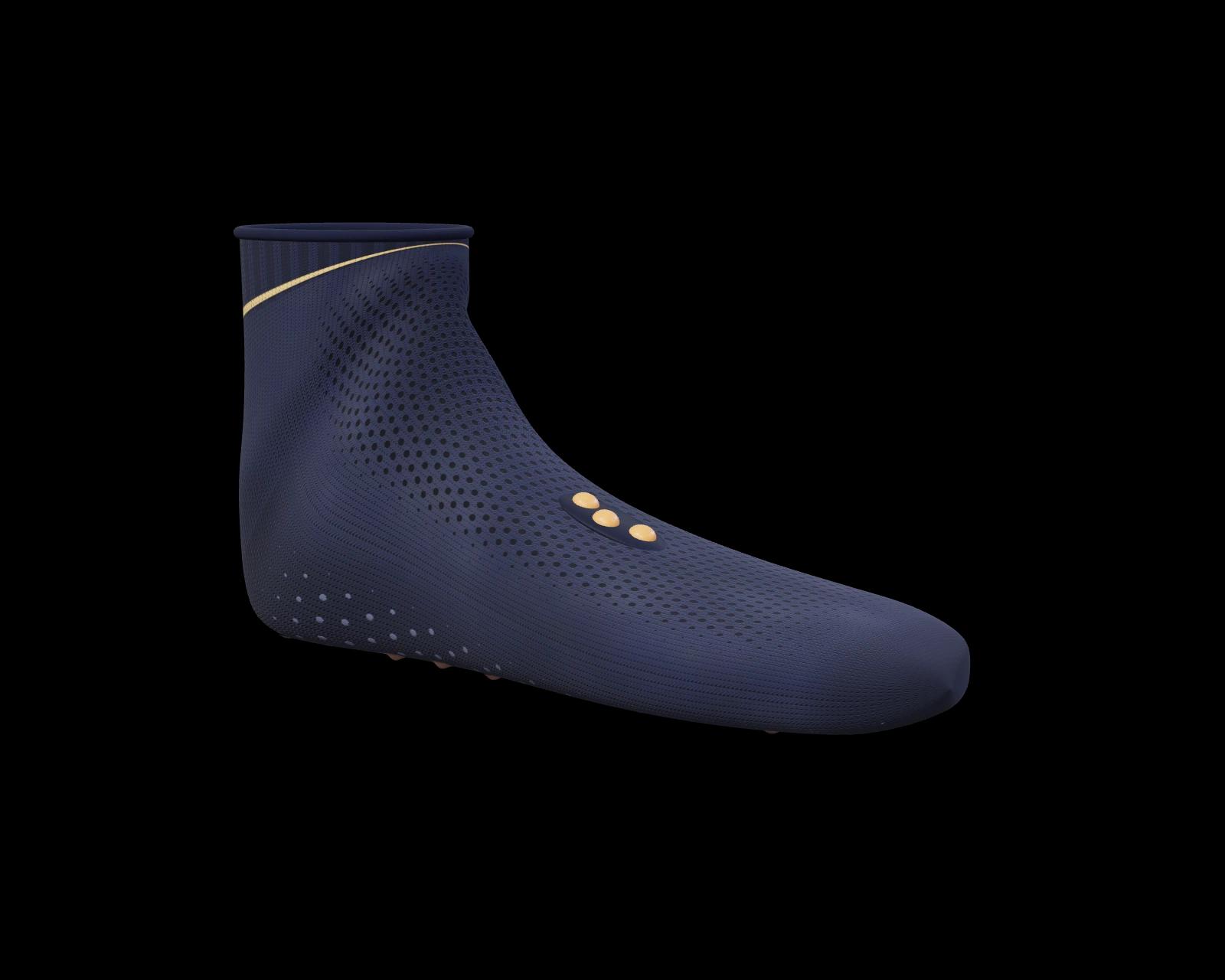
12. A bedtime sock with nubs inside (this one is ours)
Somnisole is our product, so weigh this entry accordingly.
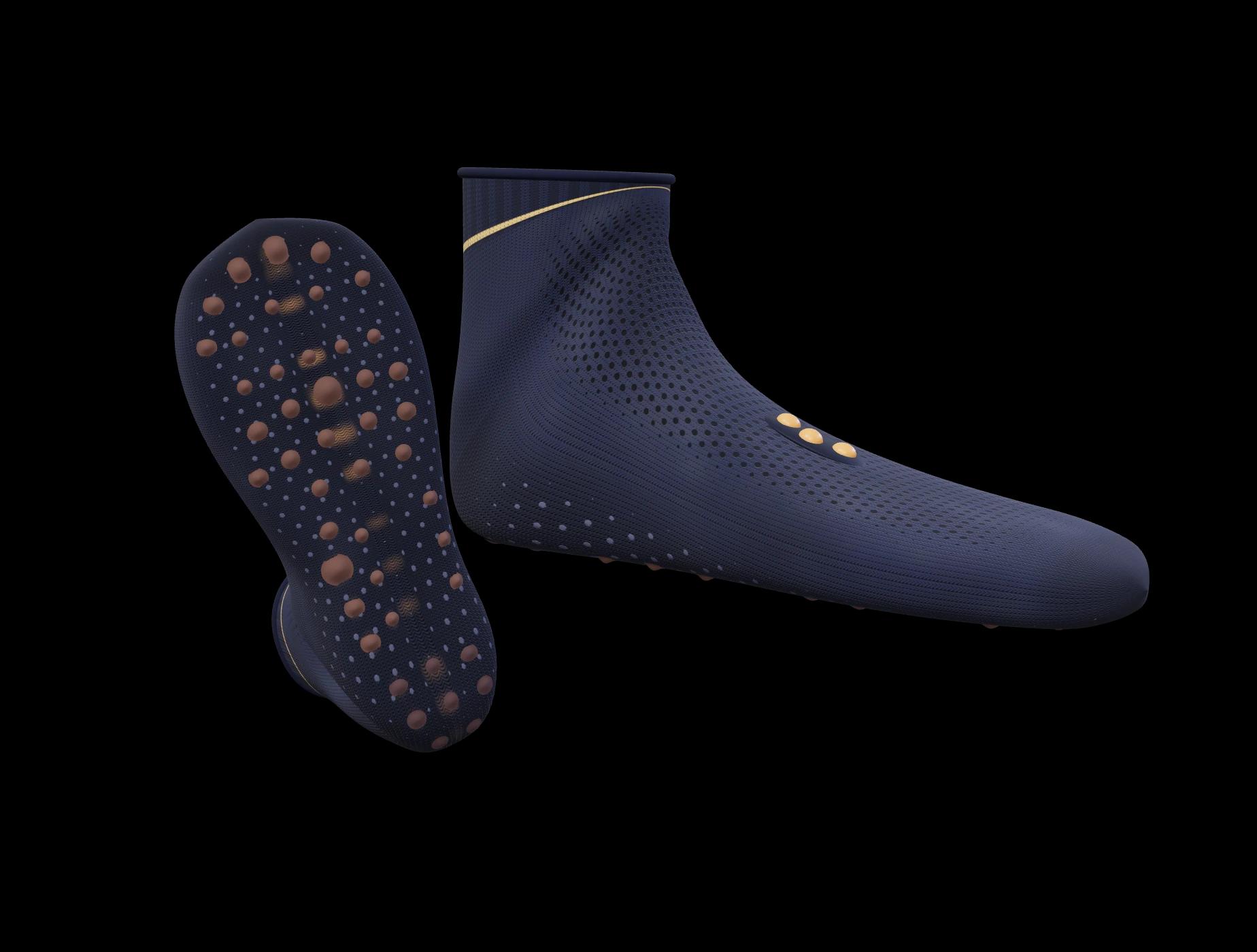
It is an ultra-thin, breathable sock with 45 firm silicone nubs bonded inside the sole. It is made for achy, tired, restless-feeling feet at bedtime and a 5-minute wind-down ritual: press your soles into a wall or footboard, press sole to sole, or glide one sole over the other foot's instep. Our how it works page shows each way.
The areas of the sole covered by Somnisole's nubs: toes, toe groove, ball, inner arch, outer edge and heel.
Three things to know before you give it:
It is a pre-order. The sock has not shipped yet, and the ship date is shown at checkout. That makes it a gift for someone who can wait: a card now, the socks when they arrive. Check that date against the occasion before you order.
There are no reviews. Nobody has received a pair yet, so we have no customer reviews or test results to quote.
It is a comfort product. The nubs are mapped to every reflexology zone, but those zones are only traditionally associated with other parts of the body, and the US National Center for Complementary and Integrative Health says that link has not been proven. [16] What people reliably report is that firm pressure on the feet feels good.
Not for feet with numbness, open wounds, diabetes-related foot problems or poor circulation without a doctor's OK.
Matching the gift to the person
If they...
Consider
Complain about hard floors at work
Cushioned insoles, cushioned socks
Collapse on the sofa after a shift
A footstool, a foot roller, a soak kit
Never spend money on themselves
A massage voucher, a shoe gift card
Can wait for a gift that ships later
A pre-order such as Somnisole
What to skip
Anything in a size you are guessing. That covers shoes and compression socks.
Heat for feet that cannot feel it. Guidance for people with diabetes says not to put a hot water bottle or heating pad on the feet, and notes that lost feeling can hide an injury such as a blister. [12]
Anything that promises to treat a condition. A gift should not come with medical claims. If the box says it cures something, leave it on the shelf.
When sore feet need more than a gift
Tired feet after a long shift are common. Some things deserve more attention. The NHS advises seeing a doctor if swelling in the feet, ankles or legs has not improved after a few days of home care, and getting urgent help if one leg swells with no obvious cause or if swelling is severe, painful or sudden. [14] Pain that does not settle with rest, numbness and tingling are also reasons to book an appointment, not to shop.
Common questions
What is a good gift for a nurse who is on their feet all day?
Practical comfort gifts work best: cushioned insoles, a pack of cushioned moisture-wicking socks, a gift card for properly fitted work shoes, a foot roller or a massage voucher. Choose things that go under the foot at work or help it recover at home. Leave out anything that needs an exact size unless you know it.
What do you get someone who stands all day at work?
Start with what touches the floor: insoles, socks and shoes. Then think about recovery at home, such as a footstool, a foot roller, a warm soak kit or a cushioned kitchen mat. A review by US occupational health researchers found that floor mats and shoe inserts mainly reduce discomfort and fatigue for standing workers.
Are compression socks a good gift for nurses?
They can be, but ask first. Compression socks come in different strengths and must be the right size, and Cleveland Clinic advises people with peripheral artery disease, severe swelling or much-reduced feeling in their legs to check with a provider before wearing them. If the person already wears a pair they like, buy more of the same strength and size.
What are good gifts for teachers who are on their feet?
The same ideas apply: cushioned socks, insoles, a shoe gift card and an insulated water bottle for the classroom. US labor data shows secondary school teachers spend about 60 percent of the workday standing. A massage voucher or a footstool for home makes a good end-of-term gift.
What should you avoid giving someone with sore feet?
Skip shoes or compression socks in a size you are guessing, and skip products that claim to treat a medical condition. Do not give foot soaks or heated foot products to someone with diabetes, because official guidance says not to soak the feet or put a hot water bottle or heating pad on them. Ongoing pain, swelling or numbness is a reason to see a doctor, not a gift problem.
Sources
1Sitting and standing. U.S. Bureau of Labor Statistics, Occupational Requirements Survey. Accessed 2026-11-06.
2Nursing assistants. U.S. Bureau of Labor Statistics, Occupational Requirements Survey. Accessed 2026-11-06.
Somnisole puts firm silicone nubs over every zone of the sole, inside a sock thin and breathable enough to sleep in. Made for achy, tired, restless-feeling feet at bedtime.
Somnisole is a wellness product, not a medical device. Not for feet with numbness, open wounds, diabetes-related foot problems or poor circulation without a doctor's OK.