A sore top of the foot is most often traced to exercise such as running, kicking or jumping, or to shoes that are too tight, and it usually gets better within a few weeks. Irritated tendons, a stress fracture, arthritis, gout and a pinched nerve are other causes that medical sources describe. Get urgent help if the pain is severe, you cannot walk or the foot is hot and swollen, and see a doctor if it has not improved after two weeks.
The top of your foot has very little padding. The tendons that lift your toes run just below the skin, over long, thin bones and a cluster of small joints. [2] That is why a tight shoe, a long shift on your feet or a jump in running mileage can make it sore so quickly.
The NHS says pain in the top of the foot will usually get better in a few weeks, but that sometimes it can be something more serious, like a broken foot. [1] This guide covers the causes that medical sources describe, what they suggest doing at home, and when to be seen. It is educational and cannot diagnose you.
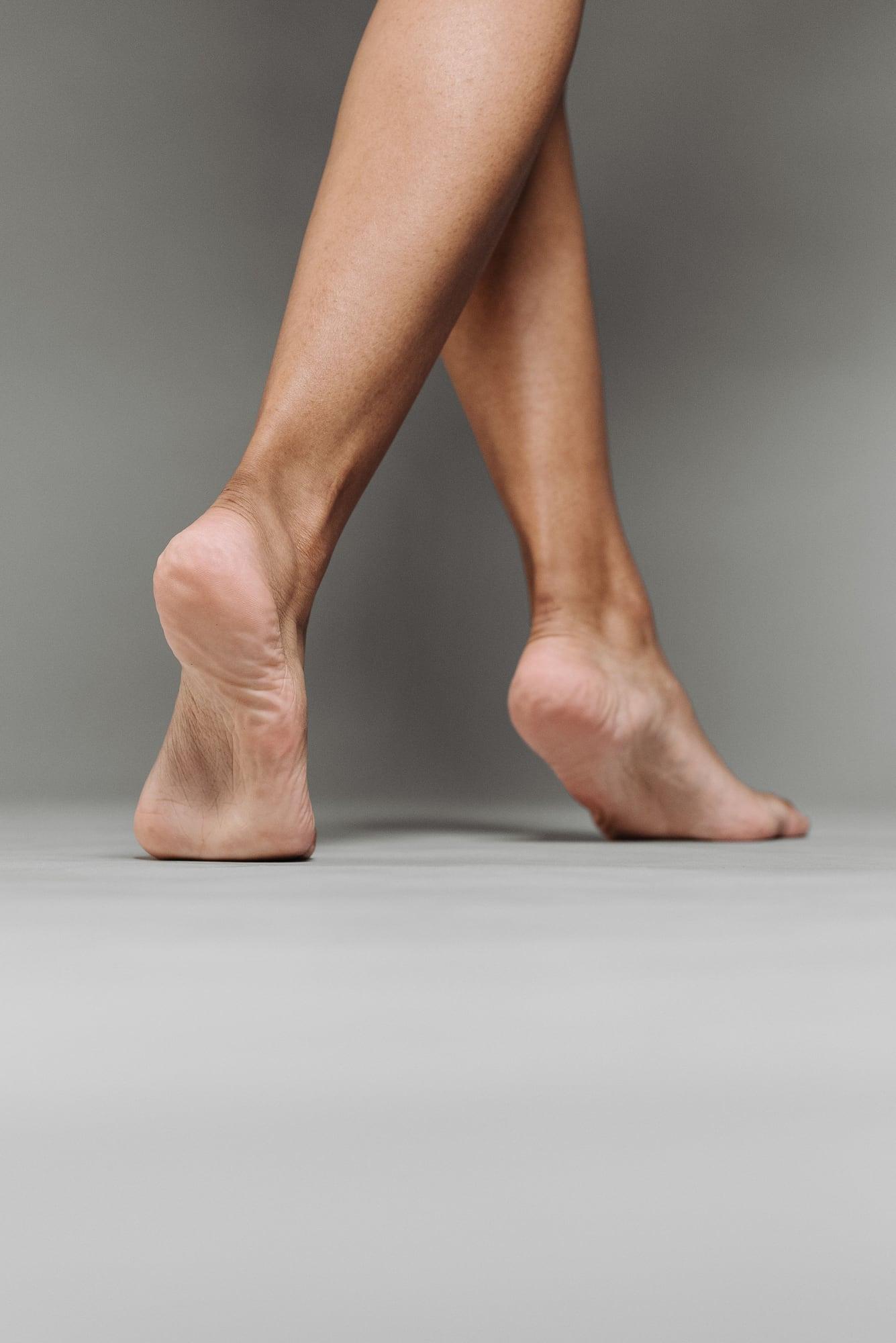
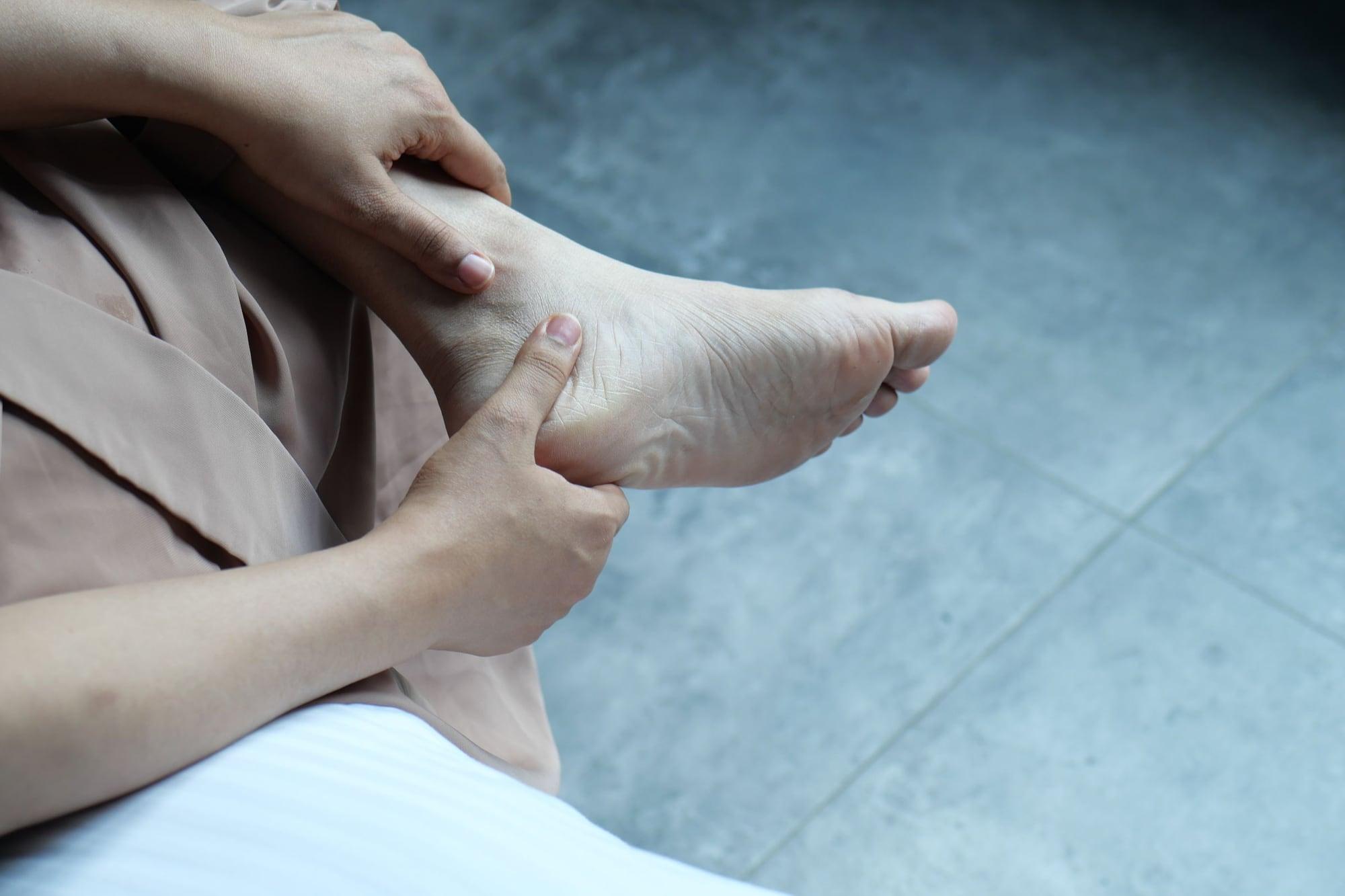
The sole of the foot, shown for orientation only. The top of the foot is the opposite surface, above the arch and the ball. This drawing is not a diagnosis or treatment guide.
Why the top of your foot hurts: causes by how it feels
The NHS says pain in the top of the foot is often caused by exercising, especially running, kicking or jumping. It may also be caused by shoes that are too tight and by some conditions, like gout. [1] Cleveland Clinic's list for this part of the foot is sprains or strains, osteoarthritis, tendonitis and gout. [11]
What you notice
What sources say it can be
A gradual ache and swelling, worse in tight shoes and with activity
Extensor tendon irritation: tight shoes, tight laces and overuse
The extensor tendons lift your toes and raise the front of your foot off the ground. Extensor tendinitis is inflammation of those tendons. Cleveland Clinic lists pain along a tendon that gets worse with use, stiffness, swelling, and discoloration or warmth. Among the causes it names are jobs that keep you on your feet all day and shoes that fit poorly or are too tight. [2]
An NHS physiotherapy service describes an aching pain on the top of the foot that comes on gradually, with swelling. It lists long periods of standing, walking or running as a factor, especially after a sudden increase. It says tight shoes can make the pain worse, and it tells patients to make sure laces are not tied too tight. [3]
Recovery can take a few weeks to a few months according to Cleveland Clinic, and up to a year for some people according to the NHS service. [2][3]
Stress fracture of a metatarsal
A stress fracture is a small crack in a bone, or severe bruising within a bone. The metatarsals are the long bones that lead to your toes. The American Academy of Orthopaedic Surgeons (AAOS) says the second and third are the most prone, and that the most common cause is a sudden increase in activity. That includes people who are not athletes, such as someone who rarely walks far and then walks a great deal on vacation. [4]
The pain usually develops gradually, is worse during weight-bearing activity and diminishes with rest. There may be swelling on the top of the foot, tenderness at the spot, and sometimes bruising. [4]
Tops of feet sore after running
Runners meet both of the causes above, and both are tied to a sudden increase in activity. Soreness along the line of a tendon that flares in tight shoes fits tendon irritation. Tenderness at one spot on a bone, with swelling, fits the AAOS description of a stress fracture. [2][3][4]
You cannot reliably tell them apart at home. Stop the activity that hurts, and get the foot examined if the pain returns when you run or you can find a tender spot on a bone.
Sprains and midfoot injuries
One injury that can look like a sprain is easy to miss. A Lisfranc injury is damage to the bones or ligaments of the midfoot. AAOS says it can happen with a simple twist and fall and is easily mistaken for a sprain. The top of the foot may be swollen and painful, and bruising on the bottom of the foot is highly suggestive of it. See a doctor if rest, ice and raising the foot have not settled the pain and swelling, or if you cannot put weight on the foot. [5]
Arthritis in the midfoot
The foot has more than 30 joints, and those of the midfoot are among the ones commonly affected by arthritis. Osteoarthritis develops slowly, with pain and stiffness that worsen over time. AAOS lists pain with motion, tenderness when the joint is pressed, swelling, warmth and redness, and more pain and swelling in the morning or after sitting or resting. [6]
Gout on top of the foot
Gout is a type of inflammatory arthritis. According to the US National Institute of Arthritis and Musculoskeletal and Skin Diseases (NIAMS), flares often begin in the big toe or a lower limb, often start suddenly at night, and can be intense enough to wake you. [7]
The NHS says gout usually affects the big toe but can affect other joints in the feet and ankles. [8] On the top of the foot, it describes red, hot, swollen skin and sudden or severe pain when anything touches the foot. [1]
See a doctor the first time this happens. Sudden joint pain and swelling together with a very high temperature or feeling sick needs urgent attention, because the NHS warns it could mean an infection inside the joint. [8]
A pinched or irritated nerve
Nerve trouble tends to feel different: tingling, numbness or shooting pain.
Sciatica. The NHS lists tingling, numbness or pain in the upper foot that may also stretch up the back of the leg. [1]
Peroneal nerve injury. One branch of this nerve supplies feeling to the top of the foot. Cleveland Clinic lists numbness in the shin or the top of the foot, tingling, pain, and weakness when lifting the front of the foot. [10]
Compression at the front of the ankle. A StatPearls review describes a nerve being squeezed under a band of tissue at the front of the ankle. It calls the condition relatively uncommon and often misdiagnosed, lists tight-fitting shoes and boots among the sources of pressure, and says symptoms are most often felt on the top of the forefoot, between the big toe and the second toe. [9]
Why does the top of my foot hurt at night or when resting?
Gout flares often start suddenly at night. [7] Arthritis can bring more pain and swelling in the morning, or after sitting or resting. [6] Stress fracture pain usually goes the other way: it builds with weight-bearing activity and diminishes during rest. [4]
Pain that carries on at rest or wakes you is worth describing to a doctor. See also why feet hurt at night.
What you can do at home
If you are not sure how bad an injury is or what is causing the pain, the NHS says to ask for medical advice first, and not to try to treat a suspected broken foot or toe yourself. For ordinary soreness, it suggests: [1]
Rest and raise your foot when you can.
Ice. Put an ice pack, or a bag of frozen peas in a towel, on the painful area for up to 20 minutes every 2 to 3 hours.
Roomy shoes with a low heel and a soft sole. Skip high heels and tight or pointy shoes.
Soft insoles or pads in your shoes.
Gentle stretching of your foot and ankle.
A break from the trigger. Do not do the sport or activity you think is causing the pain, and do not walk or stand for a long time.
Pain relievers such as acetaminophen or ibuprofen gel, or ibuprofen tablets if needed.
Two more points. Make sure your laces are not tied too tight. [3] And check with your health care provider before taking over-the-counter pain relievers if you have a history of ulcers or liver problems. [12]
Give home care about two weeks. If the pain has not improved by then, see a doctor. [1]
Where a bedtime foot ritual fits, and where it does not
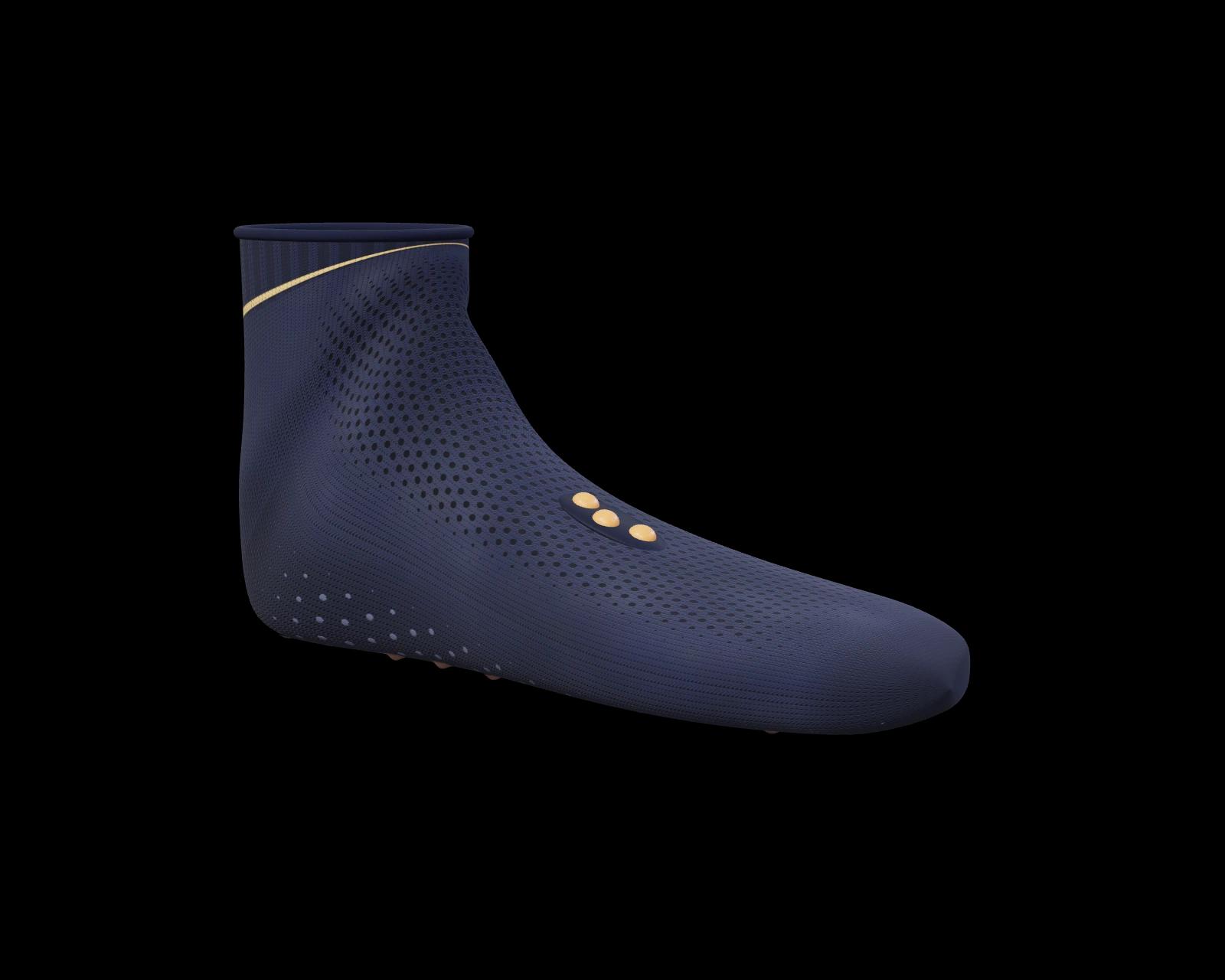
Nothing on this page requires buying anything. We make Somnisole, a thin bedtime sock with silicone nubs inside the sole, for achy, tired, restless-feeling feet at bedtime and a 5-minute wind-down ritual. It is a comfort product that does not treat any cause on this page, and one way of using it, gliding one sole over the other foot's instep, is not something to do on a top of the foot that is sore, swollen or numb. Not for feet with numbness, open wounds, diabetes-related foot problems or poor circulation without a doctor's OK. The reason is simple: nerve damage can keep you from feeling a pebble inside your sock or a blister on your foot. [13] For the tradition behind foot pressure, and what the evidence does not support, see our guide to pressure points on the feet.
Common questions
Why does the top of my foot hurt?
The NHS says pain in the top of the foot is often caused by exercise, especially running, kicking or jumping, and by shoes that are too tight. Sources also describe irritated extensor tendons, stress fractures, sprains, arthritis, gout and nerve problems. It usually gets better in a few weeks, but see a doctor if the pain is severe, follows an injury or has not improved after two weeks.
Why are the tops of my feet sore after running?
Two causes come up most in the sources: irritation of the extensor tendons that run along the top of the foot, and a stress fracture in one of the metatarsal bones. Both are linked to a sudden increase in activity. Stop the activity that hurts, and see a doctor promptly if you have a tender spot on a bone or swelling, because the American Academy of Orthopaedic Surgeons warns that an ignored stress fracture can break completely.
Can tight shoes or laces make the top of your foot sore?
Yes. Cleveland Clinic says shoes that fit poorly or are too tight can irritate the tendons in your feet, and an NHS physiotherapy service tells patients to make sure laces are not tied too tight. Tight footwear is also listed as a source of pressure on a nerve at the front of the ankle. Roomier shoes and looser lacing are a sensible first step, but ongoing pain, numbness or tingling should be checked.
Can you get gout on the top of your foot?
Gout usually affects the big toe, but the NHS says it can affect other joints in the feet and ankles. The NHS lists gout among the causes of pain in the top of the foot, with red, hot, swollen skin and sudden or severe pain when anything touches the foot. See a doctor the first time it happens, and get urgent help if joint pain comes with a very high temperature or feeling sick.
Why does the top of my foot hurt at night?
Gout flares often start suddenly at night and can be painful enough to wake you, according to the US National Institute of Arthritis and Musculoskeletal and Skin Diseases. Arthritis can bring more pain and swelling after sitting or resting. Stress fracture pain more typically builds with activity and settles with rest. Pain on top of the foot that carries on at rest or wakes you is worth describing to a doctor.
When should I see a doctor about pain on top of my foot?
Get urgent help if the pain is severe, you cannot walk, the foot has changed shape, you heard a snap or pop when you were injured, or the foot is hot and swollen. Make an appointment if the pain has not improved after two weeks of home care, keeps coming back, or comes with tingling or loss of sensation. People with diabetes should have any foot pain checked.
13Diabetes & Foot Problems. National Institute of Diabetes and Digestive and Kidney Diseases (NIDDK), NIH. Accessed 2026-11-06.
The sock with the chart built in.
Somnisole puts firm silicone nubs over every zone of the sole, inside a sock thin and breathable enough to sleep in. Made for achy, tired, restless-feeling feet at bedtime.
Somnisole is a wellness product, not a medical device. Not for feet with numbness, open wounds, diabetes-related foot problems or poor circulation without a doctor's OK.