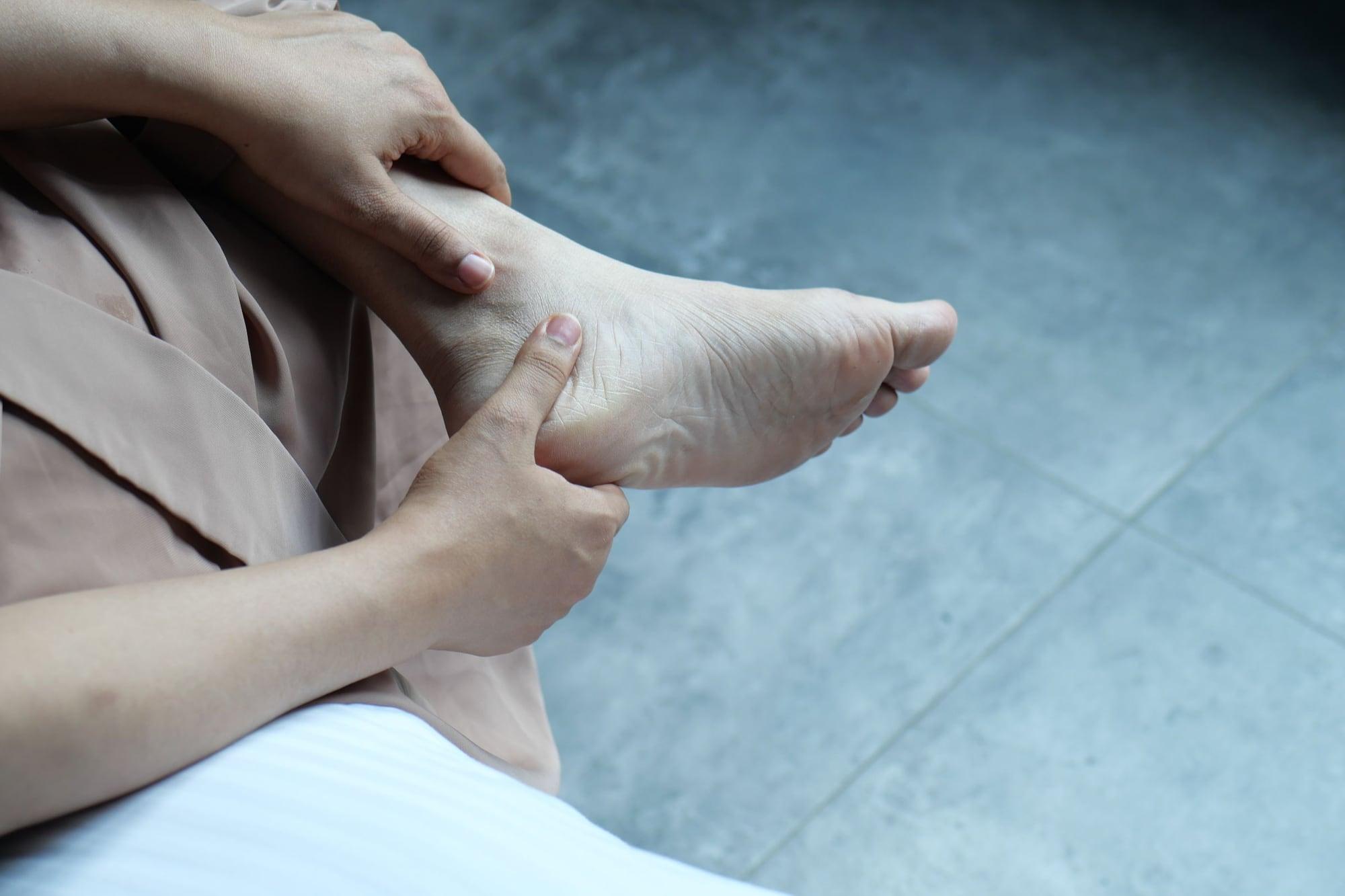
Sore heels are most often the result of overuse. Pain under the heel is commonly plantar fasciitis, pain at the back of the heel usually involves the Achilles tendon or a nearby bursa, and a stress fracture or a thinning heel pad can also be responsible. Rest, ice, cushioned shoes and gentle stretching are the usual first steps, and you should see a doctor if the pain is severe, follows an injury or has not improved after two to three weeks.
Under your heel bone sits a pad of fat that acts as a shock absorber as you walk, run and jump. [7] Behind it, the body's largest tendon attaches the calf muscles to the bone. [5] When a heel is sore, the most useful clue is where: under it, at the back of it, or in the skin.
MedlinePlus says heel pain is most often the result of overuse, though an injury can also cause it. [2] The NHS adds exercising too much, standing on hard surfaces for too long and being overweight. [1] This guide covers the causes that medical sources describe, what they suggest doing at home, and when to get help. It is educational and cannot diagnose you.
Where on the heel does it hurt?
The heel, shaded, seen from the sole. Pain under the heel and pain at the back of the heel usually have different causes. The drawing names the area only. It is not a diagnosis or treatment guide.
Where and how it hurts
What sources say it can be
Under the heel or between the arch and heel, worse when you start walking
Cleveland Clinic calls plantar fasciitis the most common cause of heel pain. [3] The plantar fascia is a long, thin ligament that connects the heel to the front of the foot and supports the arch. When it becomes irritated and inflamed, the result is pain on the bottom of the foot near the heel. The American Academy of Orthopaedic Surgeons (AAOS) says about 2 million patients are treated for it every year. [4]
The pattern is distinctive: pain with the first few steps after getting out of bed or after a long rest, and greater pain after exercise, not during it. AAOS lists new or increased activity, standing for long periods on hard surfaces, flat feet or a high arch, tight calf muscles, obesity and age among the risk factors. [4]
If your pain sits further forward, see our guide to sore arches.
Do heel spurs cause heel pain?
Usually not. A heel spur is a bony growth that can be seen on an X-ray. AAOS says most people who have bone spurs on their heels do not have heel pain, and that heel spurs do not cause plantar fasciitis pain. [4]
A bruised or thinning heel pad
Stepping on a hard, sharp object can bruise the fat padding underneath your heel. [3] The pad can also thin with wear and tear, which Cleveland Clinic calls heel fat pad syndrome. It describes a deep or bruise-like pain in the middle of the heel when you walk, stand or run, which is worse when you are barefoot on hard surfaces such as concrete or tile. [7]
It is often misdiagnosed as plantar fasciitis. Cleveland Clinic separates the two this way: plantar fasciitis pain is worse in the morning with the first steps after rest, while heel pad pain is closer to the center of the heel, may happen more often at night and at rest, and is more likely to affect both feet. [7]
Stress fracture of the heel bone
A stress fracture is a small crack in a bone, and the most common cause is a sudden increase in activity. AAOS says the heel bone is the second most common area of the foot to develop one. The telltale symptom is pain in the heel during exercise, and the discomfort can be similar to the discomfort caused by plantar fasciitis. [8]
Pain at the back of the heel
Achilles tendinitis
The Achilles tendon connects the calf muscles to the heel bone. AAOS describes tendinitis here as a condition associated with overuse, and names a sudden increase in exercise and tight calf muscles among the contributing factors. The symptoms it lists include pain and stiffness along the tendon in the morning, pain along the tendon or the back of the heel that worsens with activity, thickening of the tendon, and pain on the back of the heel when you wear shoes. [5]
A sudden pop in the back of the calf or heel is a different event. It may mean the tendon has torn, and AAOS says to see your doctor immediately. [5]
Bursitis and a bump at the back of the heel
Bursitis of the heel is swelling of the bursa, a fluid-filled sac, at the back of the heel bone. MedlinePlus says it may be caused by too much walking, running or jumping. It causes pain at the back of the heel, especially with walking, running or when the area is touched, and the skin over the back of the heel can be red and warm. [6]
Cleveland Clinic also describes Haglund's deformity, an enlarged, bony bump at the back of the heel that is sometimes called a pump bump. Shoes with higher heels, like pumps, can make the bump and the pain worse. [3]
Sore heels in children
Sever's disease is one of the most common causes of heel pain in growing children. It involves the growth plate in the heel and is caused by repetitive stress, so children and adolescents in running and jumping sports are at increased risk. It will not return once the child is fully grown. [9] Cleveland Clinic calls it a frequent cause of heel pain in active children between the ages of 8 and 14. [3] A child with heel pain or a limp should see a pediatrician.
Burning, tingling or cracked skin
Nerve symptoms. Cleveland Clinic describes nerve pain in the foot as a burning, tingling or electric shock sensation. [10] Symptoms like these are a reason to see a doctor.
Dry, cracked heels. Sometimes the soreness is in the skin. The American Academy of Dermatology suggests short baths and showers, a moisturizing cream with 10 to 25 percent urea, alpha hydroxy acid or salicylic acid applied while the skin is still damp, and plain petroleum jelly at bedtime. It notes that cracked heels are sometimes caused by a medical condition such as diabetes, and advises seeing a board-certified dermatologist if the cracks are severe or do not improve. [11]
Ice. Put an ice pack, or a bag of frozen peas, in a towel on your heel for up to 20 minutes every 2 to 3 hours.
Wide, comfortable shoes with a low heel and a soft sole. Skip high heels and tight, pointy shoes.
Soft insoles or heel pads in your shoes.
A bandage wrapped around your heel and ankle to support it.
Regular gentle stretching.
Less time on your feet. Do not walk or stand for long periods, especially barefoot.
Pain relievers such as acetaminophen or ibuprofen.
MedlinePlus adds: rest as much as possible for at least a week, apply ice at least twice a day for 10 to 15 minutes, and use a heel cup, felt pads in the heel area or a shoe insert. [2]
Two stretches AAOS describes for plantar fasciitis
Each is held for 10 seconds and repeated 20 times for each foot. [4]
Calf stretch. Lean forward against a wall with one knee straight and the heel on the ground. Place the other leg in front, with the knee bent, and push your hips toward the wall in a controlled way.
Plantar fascia stretch. Sit down, cross the affected foot over the knee of your other leg, and slowly pull the toes toward you. This one is best done in the morning before standing or walking.
How long does heel pain take to go away?
It depends on the cause. More than 90 percent of patients with plantar fasciitis improve within 10 months of starting simple treatment methods. [4] With Achilles tendinitis, it may take a few months for symptoms to improve significantly, and the pain may last longer than 3 months even with early treatment. [5] A stress fracture takes 6 to 8 weeks to heal in most cases. [8] Cleveland Clinic adds that heel pain rarely needs surgery. [3]
heel pain is severe or is stopping you from doing normal activities
it is getting worse or keeps coming back
it has not improved after two to three weeks of home care
you have tingling or loss of sensation in your foot
you have diabetes, because foot problems can be more serious
your heel is red or swollen
you cannot put weight on your foot, even after resting
Where a bedtime foot ritual fits, and where it does not
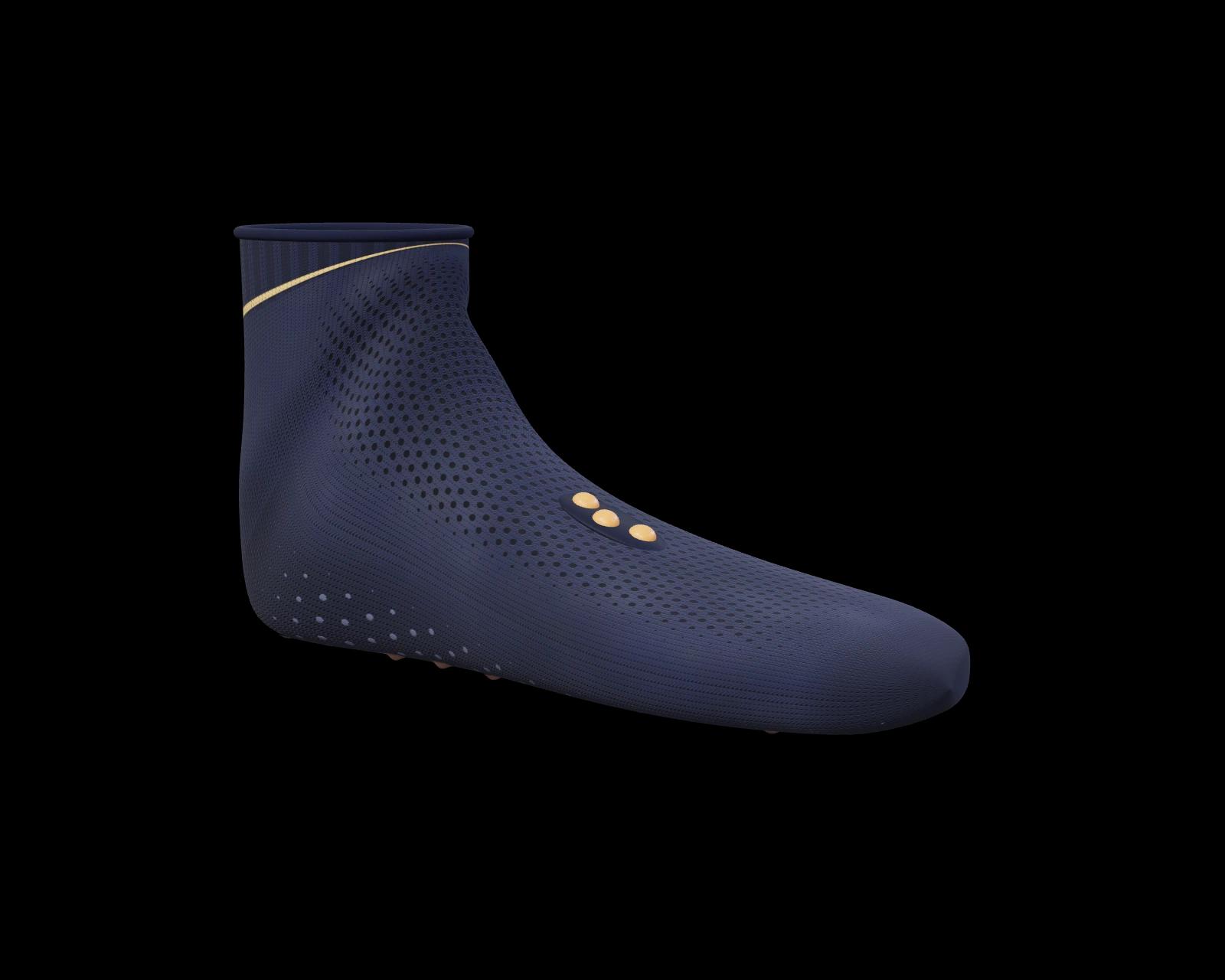
None of the steps above involve buying anything. We make Somnisole, a thin bedtime sock with silicone nubs inside the sole, for achy, tired, restless-feeling feet at bedtime and a 5-minute wind-down ritual. One design detail, so that it is not misread: the heel uses softer, lower domes than the rest of the sole, so that back sleepers can rest on them. That is a comfort choice. It is not a feature for heel pain, the sock does not treat any cause on this page, and firm pressure on a heel that is injured, swollen or numb is something to avoid. Not for feet with numbness, open wounds, diabetes-related foot problems or poor circulation without a doctor's OK. The reason is simple: nerve damage can keep you from feeling a pebble inside your sock or a blister on your foot. [12] For the tradition behind foot pressure, and what the evidence does not support, see our guide to pressure points on the feet.
Common questions
Why are the heels of my feet sore?
MedlinePlus says heel pain is most often the result of overuse, and the NHS adds standing on hard surfaces for too long and being overweight. Under the heel, the most common cause is plantar fasciitis. At the back of the heel, Achilles tendinitis and bursitis are the usual causes. A stress fracture, a thinning heel pad and nerve problems are less common.
What is the most common cause of heel pain?
Plantar fasciitis, according to Cleveland Clinic. It is irritation and inflammation of the plantar fascia, the ligament that connects the heel to the front of the foot and supports the arch. The pain is on the bottom of the foot near the heel, and it typically arrives with the first few steps after sleep or a long rest.
Why do my heels hurt in the morning?
Pain with the first few steps after getting out of bed is the classic sign of plantar fasciitis, as described by the American Academy of Orthopaedic Surgeons. Achilles tendinitis can also cause pain and stiffness along the tendon at the back of the heel in the morning. If morning heel pain has not improved after two to three weeks of home care, see a doctor.
Do heel spurs cause heel pain?
Usually not. The American Academy of Orthopaedic Surgeons says most people who have bone spurs on their heels do not have heel pain, and that heel spurs do not cause plantar fasciitis pain. Cleveland Clinic notes that a spur can form as a result of chronic plantar fasciitis and is not usually painful.
How long does heel pain take to go away?
It depends on the cause. For plantar fasciitis, more than 90 percent of patients improve within 10 months of starting simple treatment methods. Achilles tendinitis pain may last longer than 3 months even with early treatment, and a stress fracture takes 6 to 8 weeks to heal in most cases. See a doctor if there is no improvement after two to three weeks of home care.
When should I see a doctor for heel pain?
Get urgent help for severe heel pain after an injury, a snap or pop at the time of injury, a foot or ankle that has changed shape, or if you cannot walk, walk on your tiptoes or climb stairs. Make an appointment if the pain has not improved after two to three weeks of home care, is getting worse, or comes with tingling, numbness, redness or swelling. People with diabetes should have heel pain checked.
12Diabetes & Foot Problems. National Institute of Diabetes and Digestive and Kidney Diseases (NIDDK), NIH. Accessed 2026-11-06.
The sock with the chart built in.
Somnisole puts firm silicone nubs over every zone of the sole, inside a sock thin and breathable enough to sleep in. Made for achy, tired, restless-feeling feet at bedtime.
Somnisole is a wellness product, not a medical device. Not for feet with numbness, open wounds, diabetes-related foot problems or poor circulation without a doctor's OK.